
More Than
20
Years Of Experience
natural brat casings
Insider Guide to Salted Hog Casings If you’re scanning the market for Natural Hog Casings For Sale , here’s the straight talk from someone who’s been around smokehouses and QA labs long enough to smell when a batch is right. These are classic hog intestines—salted, calibrated, and ready for bratwurst, kielbasa, chorizo, you name it. Origin matters: this line comes out of WEST PING’AN STREET, SHUNPING COUNTY, HEBEI, CHINA, a long-standing hub for casing processing. What’s driving demand right now Two big currents: clean-label and texture. Many customers say natural casings deliver that honest “snap” and smoke permeability you just don’t get from collagen. Prices have been fairly dynamic—labor and export logistics play a role—but availability from China has stabilized this year. Actually, artisan brands and co-packers alike are leaning on natural for premium SKUs. Product snapshot: Salted Hog Casings (pre-flushed, calibrated) Parameter Typical Value (≈, real-world use may vary) Calibers 28/30, 30/32, 32/35, 35/38 mm Bundle length “Hanks” ≈ 90 m; hard-tubed or loose salted Salt content ≥ 45% NaCl Water activity (aw) ≤ 0.85 (storage-stable when properly salted) Microbiology Salmonella: absent/25 g; APC in spec for salted casings Shelf life Up to 24 months at 4–20°C, dark, in salt; do not freeze in water Use cases Brats, Italian, chorizo, kielbasa, fresh and smoked links From pig to pack: process and testing Materials: hog intestines trimmed and selected. Methods: de-fatting, flushing, enzymatic/alkaline cleaning, calibration, and heavy salting. Pre-tubing on hard tubes is popular for speed on busy stuffing lines. QA includes salt ratio verification, organoleptics (odor/appearance), caliber tolerance checks (±1 mm typical), and pathogen screening per HACCP. Standards followed: ISO 22000/FSSC 22000 frameworks; export lots align with EU 853/2004 and relevant Codex/USDA expectations. To be honest, the odor test is still the first thing good butchers do. Where they shine (and why) Texture and bite that consumers recognize immediately. Permeability for smoke and spice aromatics. Versatility across fresh, semi-dry, and smoked products. Customization: calibers, lengths, pre-tubed, pack sizes for plants or butcher shops. Vendor landscape (quick comparison) Supplier Origin Certs (claimed) Lead time MOQ Notes RT Casing (Salted Hog Casings) Hebei, China HACCP, ISO/FSSC 22000 (on request) ≈ 2–4 weeks Flexible Good pre-tubed options; competitive pricing EU Specialist EU EU 853/2004, BRCGS ≈ 3–6 weeks Moderate Premium sortation; higher cost Domestic Distributor Local stock Varies 2–7 days Low Fast delivery; smaller spec range Customization and handling Options include caliber matching by recipe (e.g., 30/32 mm for brats), pre-tubed for high-speed lines, home-pack vs. barrel for butchers, and private-label sleeves. Rinse and soak in lukewarm water 30–45 minutes; refresh water once. Stuffing pressure should be steady—overfill and you’ll chase blowouts all afternoon. Real-world notes and mini case studies • Regional smokehouse: switching to tighter 30/32 mm calibration cut variance and reduced giveaway by around 2%. • Co-packer: pre-tubed hanks shaved about 12–18% off changeover time. Surprisingly, the crew liked the cleaner bench as much as the speed. Many buyers evaluating Natural Hog Casings For Sale mention consistent snap and low off-odor as their top acceptance criteria—simple, but it tracks. Compliance, service life, and storage Keep sealed in heavy salt, 4–20°C, away from light. Follow plant HACCP, and align specs with ISO 22000 or FSSC 22000. For export, match destination requirements (EU 853/2004, USDA import rules). Properly stored, service life is long—call it up to 24 months—but rotate stock first-in-first-out, always. Bottom line: if you’re sourcing Natural Hog Casings For Sale , prioritize calibrated lots, documented microbiology, and practical packing formats that fit your line. The rest—honestly—is craftsmanship. Authoritative citations ISO 22000:2018 Food safety management systems. Regulation (EC) No 853/2004 laying down specific hygiene rules for food of animal origin. Codex Alimentarius: Code of Hygienic Practice for Meat (CAC/RCP 58-2005).
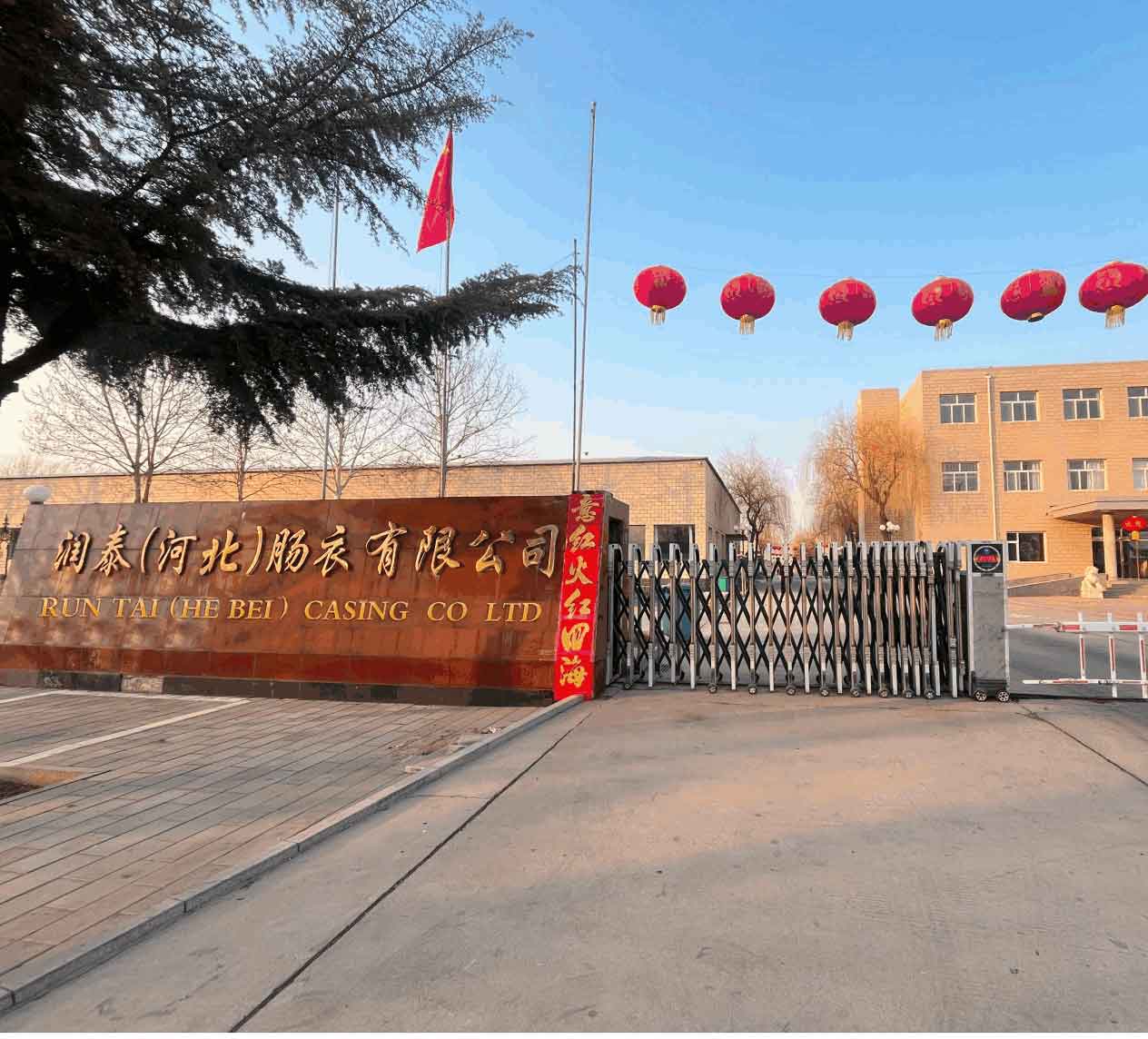
Runtai(Hebei) Casings Co., Ltd, established in 2003, specializes in processing and exporting high-quality natural sausage casings.
-
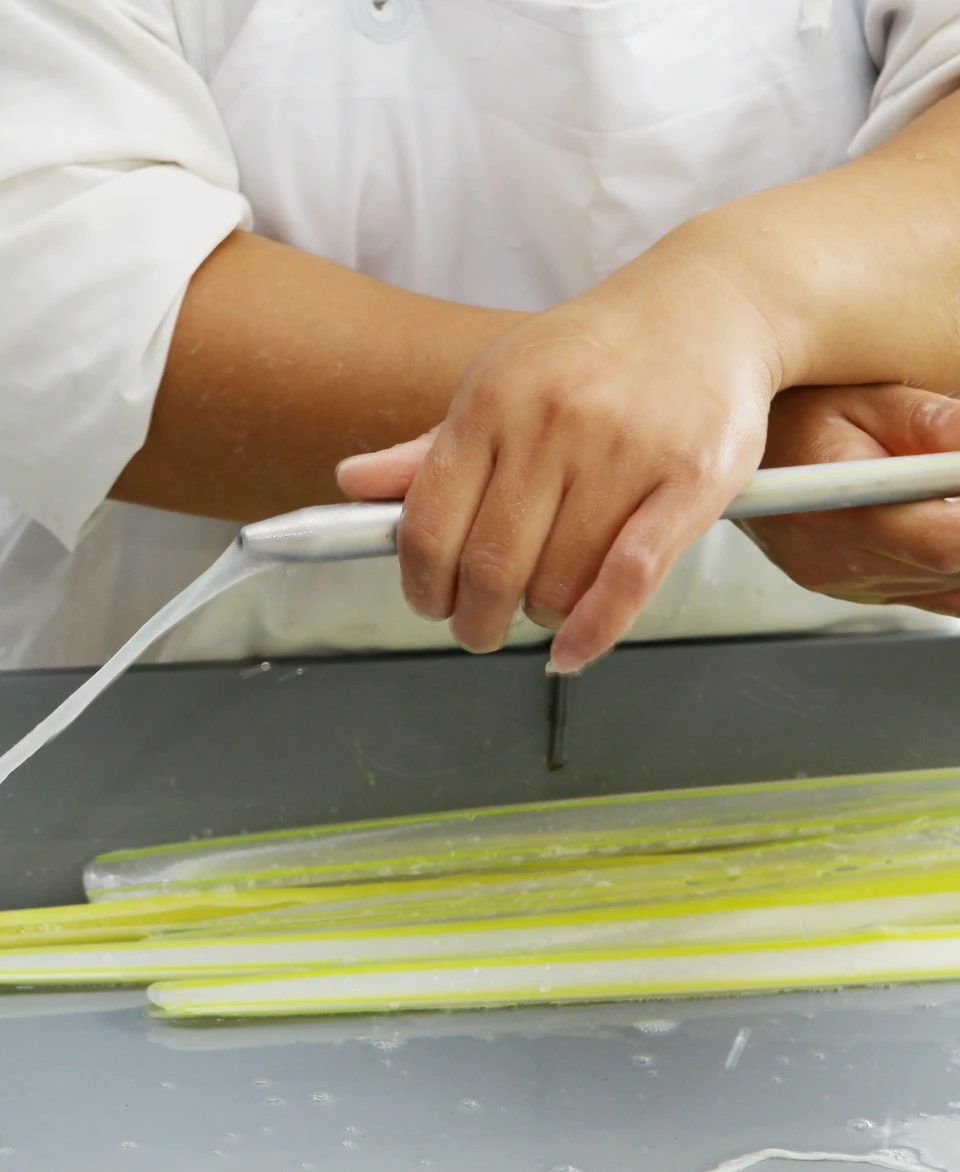

 Rich production experience
Runtai(hebei) casings co., ltd was established in july 2003,More than 20 years of production experience
-
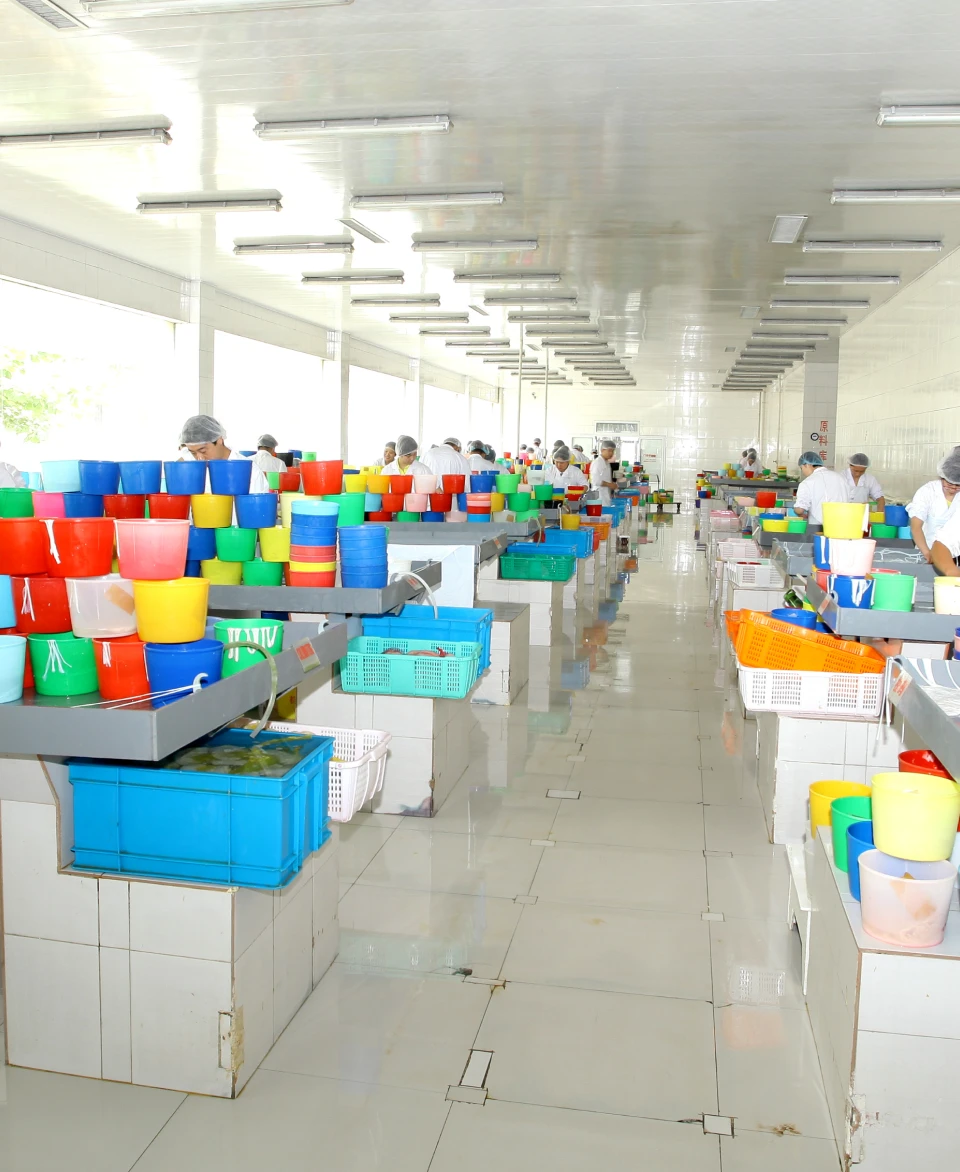

 Professional technicians
Runtai(hebei) casings co., ltd has a total of 200 employees includig 170 skilled workers and 30 management staff with academic diplomas.
-
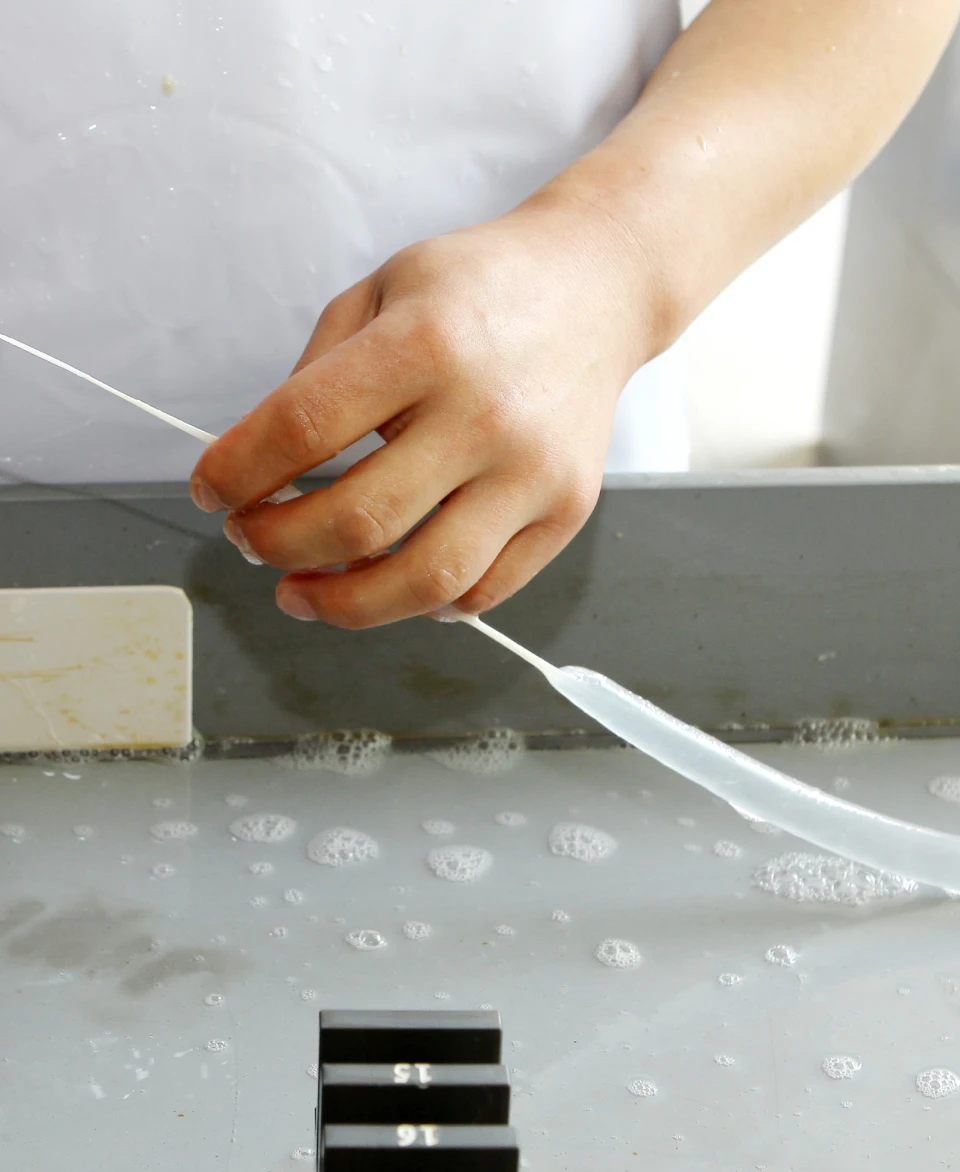

 High yield
The annual production amounts to 10,000 casks of salted hog casings, 2,000casks of salted sheep casings, 15 million pieces of dried tubed hog casings. all the products are mostly for export.
-
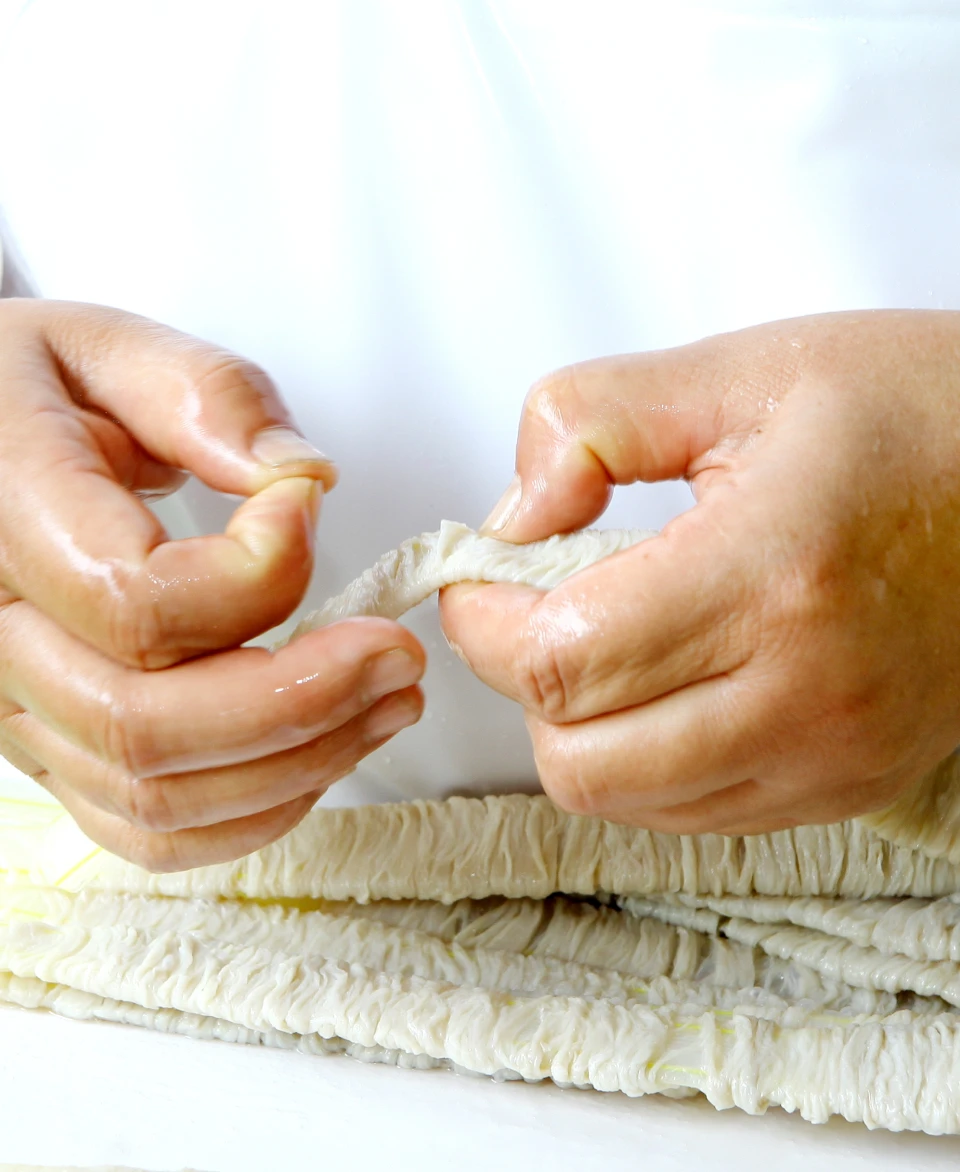

 Large plant scale
Our company covers an area of 13,000 square meters, with four registered workshops in line with EU health standards, each workshop is equipped with a cold storage that can accommodate 1200 tons of goods
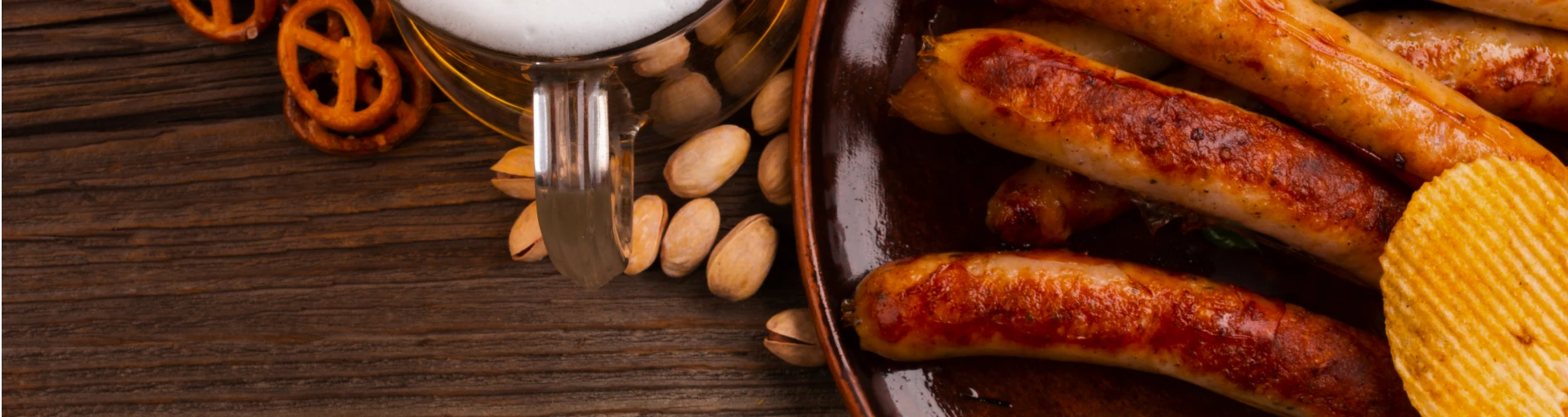
Whether for dried or salted casings, Runtai delivers durability, flexibility, and natural flavor—perfect for artisanal and industrial sausage production.

-
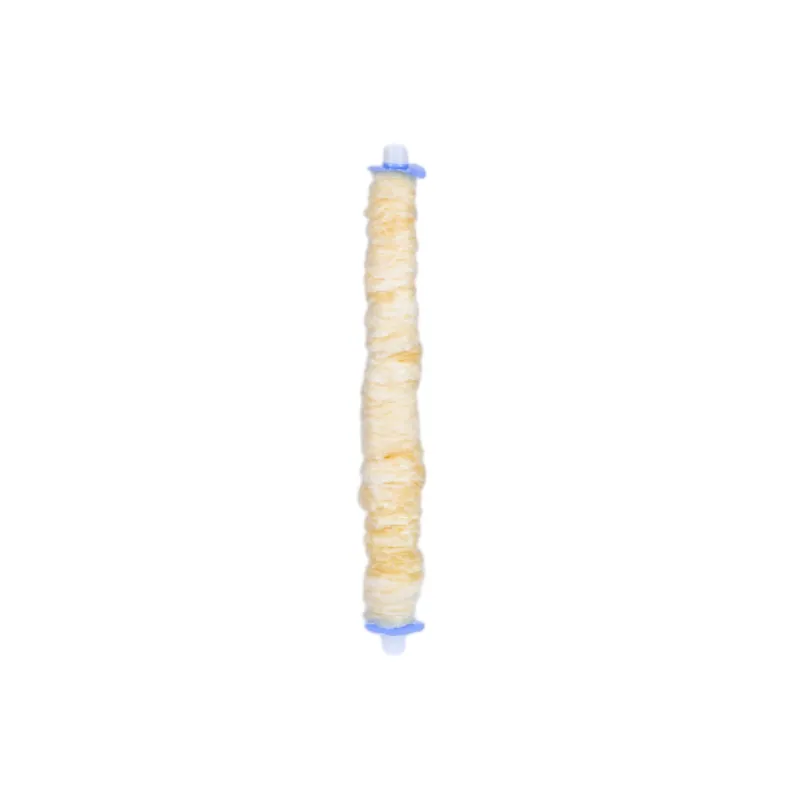 2026-06-16 02:53How to Use Dry Sausage Casing_ Essential Tips for Hog Casings
In the culinary world, particularly within the realm of charcuterie and meat processing, the choice
-
2026-06-16 02:07Premium Natural Casings from Trusted Export Specialists
As global demand for high-quality sausage products continues to rise, choosing the right casing supp
-
2026-06-16 01:10Natural Hog Casings for Sale_ Premium Pork Casings for Sausages
Navigating the Future of Casing: Insights from SIAL China SIAL China stands as a beacon for innovati


